
 Softtek


Today, IoT is a descriptive term that encompasses the view that all devices should be connected to the Internet. So far, IoT applications have been widely used in various fields of social life, such as health and social products, industrial automation and energy.
In this scenario, there are currently more than 15 billion interconnected digital and electronic devices in operation worldwide, the equivalent of nearly two devices for every human being on earth. By 2020, the number of devices is expected to reach $20 billion globally, equivalent to a market valued at $15 trillion.
In addition, the vast proliferation of connections over the next four years also heralds a massive increase in data generation and consumption. Already, global Internet Protocol (IP) traffic reached 122 exabytes per month and will reach 396 exabytes per month, or 4.8 zettabytes per year, by 2022.
Boosts productivity
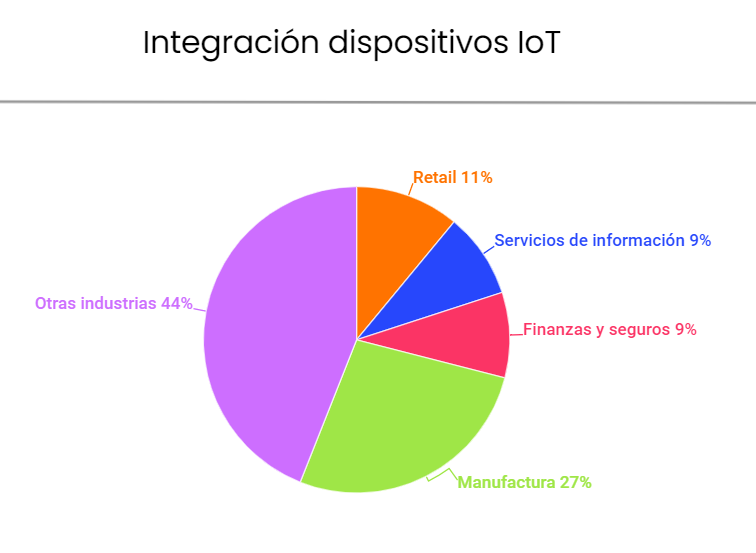
IoT is a big business, so it shouldn’t come as a surprise that 70% of the companies are currently considering integrating IoT into their systems. The ability to have direct control and isolate problems, as well as increase productivity and reduce costs, are notable benefits of integrating the Internet of Things into companies.
For example, in the manufacturing sector, the value of IoT will reach $3.88 billion over the next 10 years. Because most of the value comes from efficiency improvements and waste reduction.
The importance of people
That deploying IoT devices offers a number of benefits is obvious, however, in today’s world of connectivity, algorithms, and data analytics, it’s easy to lose sight of the crucial method for understanding what customers need.
This means that the ultimate goal of IoT needs to be rethought, applying human knowledge to understand how best to build meaningful products. Therefore, this approach puts product design and development on the right path to building the best IoT devices.
It is important to get good value, watching consumers interact with technology, learning from what they adopt and ignore, learning from their behavior – including their mistakes or their own.
Analysis of customer behavior, including your preferences, desires and learning needs, and should be indispensable to define and develop new IoT solutions in any industry.
This approach to the customer is leading to a revolutionary change, known as the Internet of People (IoP).
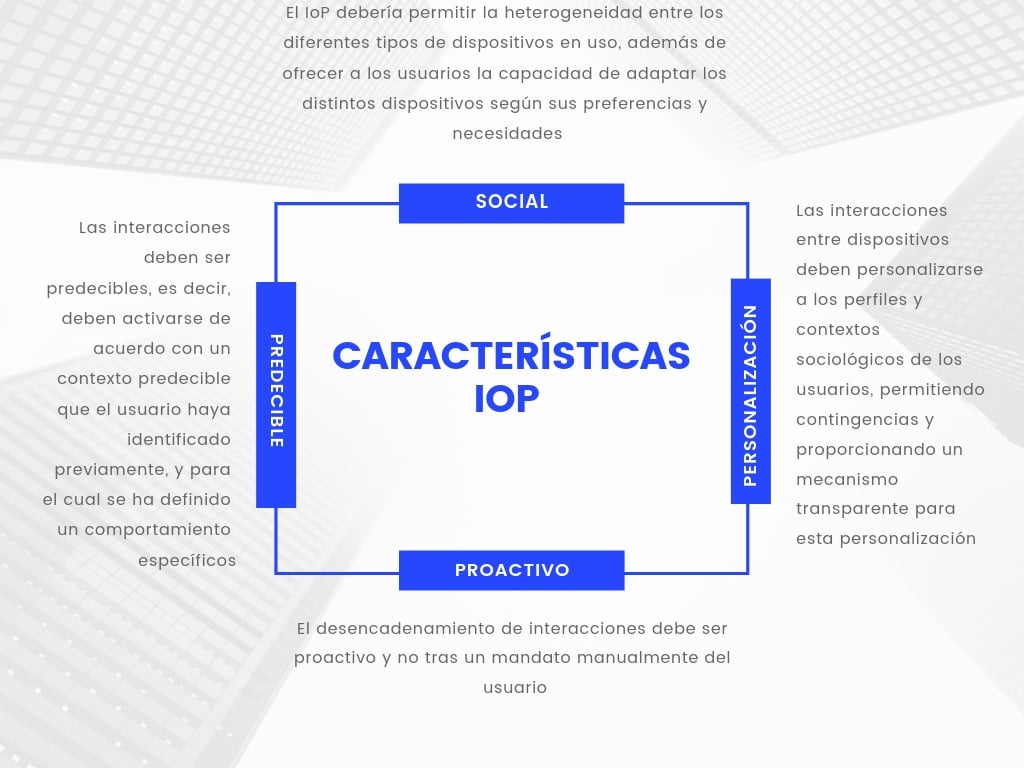
The result of IoP is a more humane IoT ecosystem and less dependent on technological actions. Depending on the sector, the implementation of this new framework will vary.
- Manufacturing and industrial equipment:
Connected through a global presence, today’s IoP industrial facilities enable design and production changes on the fly across multiple facilities, as they quickly fit customer needs.
Decision-making information extends from Suite C to supply chain workers. Using algorithms that analyze collected data, it issues alerts and can question whether corrective actions to a problem are the best or not.
- Public safety:
Connected devices that not only allow direct communication between citizens and security personnel, but also encompass digital information. For example, during a disaster or when a worker is at risk, aid can be sent immediately, to the right place, protecting people.
- Bless you:
IoP devices for the healthcare sector allow healthcare workers to remotely monitor patients’ activity, drug use, and vital signs. This connectivity and digital media exchange allow for improved and more personalized participatory and preventive care for the individual, a group or the general population.
Regardless of the sector to which they are intended, these solutions are designed for human needs, from conception to realization. Human-centered design unites technology with human vision, connecting the most technological part to human behaviors and needs.
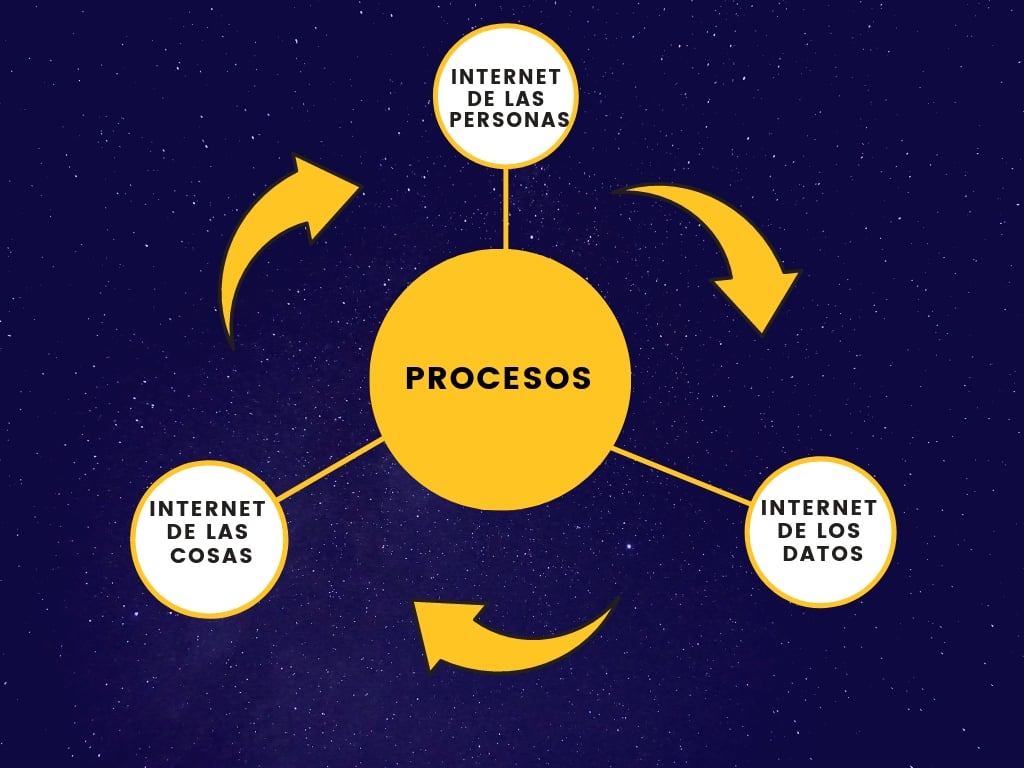
Connecting data science with behavioral science accelerates the speed of innovation and improves economic impact.
Conclusions
Many IoT systems have their own communication protocols and ways of connecting, however, they generally overlook interaction with people. And, in that situation, it is that the Internet of people builds interactions more similar to human interactions, predictable, proactive and social between people and devices.
The term “Internet of People” has been used before, usually to refer to traditional web systems designed only for humans to use. But it has not been so far, that the concept is redefined with the aim of exploiting all its profits.
The IoP tools, which meet the four most important features (social, personalization, proactive and predictable) allow you to build applications to monitor the user’s context, and then, based on the defined context, proactively trigger interactions between users and the devices involved.