
 Softtek


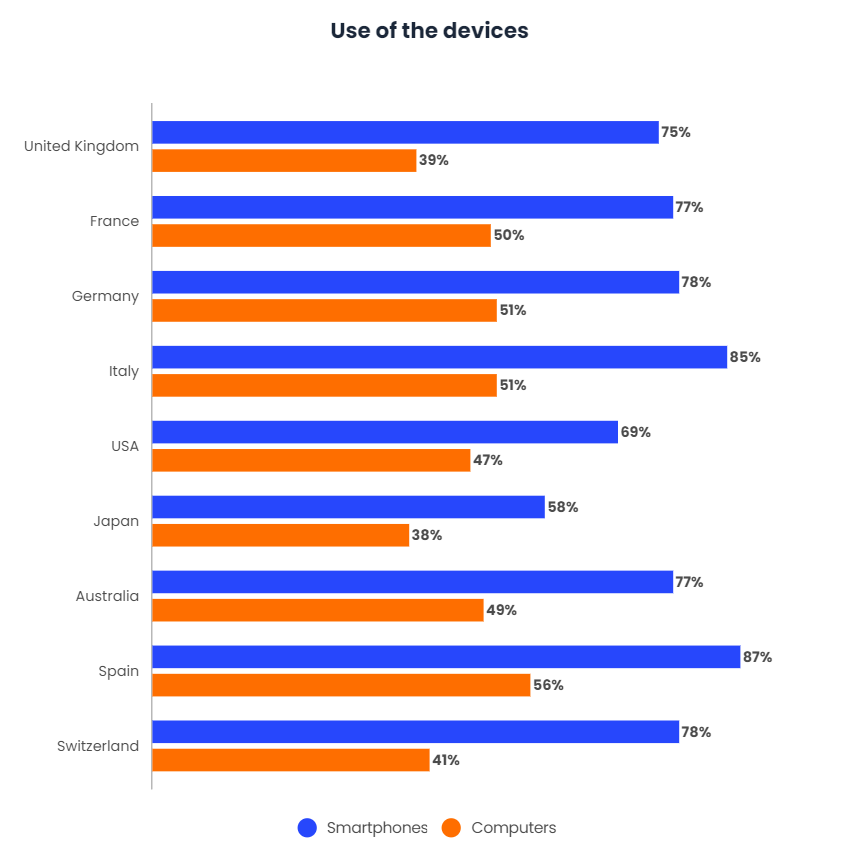
As brands have discovered the most effective way to reach consumers through websites, they have turned the tide of increased loyalty and attention to their mobile phones. This has created new challenges for companies, which have been immersed in the task of finding the best way to create a mobile experience that keeps users interested, while making it easier for them to get through each stage of the customer’s journey.
Progressive Web Applications
Until now, web applications have been a fundamental part of the business situation of most companies, as they allowed developers to create more dynamic and intuitive websites in order to reach users more effectively.
However, this type of web is not enough at the moment, so a new generation of applications has emerged in the last two years, called Progressive Web Applications (PWA). This is a more advanced version of a website, offering features that are generally associated with mobile applications, without forcing consumers to download the application from the Apple or Android app store.
Thanks to its many advantages many developers have already adopted this format recently. Some of the most prominent companies using PWA at the moment are Flipkart, Instagram, Spotify, Telegram, Twitter, Facebook and Uber.
Although all these services have full applications, they have a PWA so that users who cannot or do not want to install full-size applications have a viable alternative.
Google has also done its part to deliver PVS, which offers Google Maps, Google Photos and Android Messages. In addition, the search giant has also recently introduced Trusted Web Activity functionality in Chrome, allowing some PWAs to offer an experience without displaying the user interface of the Chrome browser.
However, it should be noted that this functionality is currently only available to developers approved by Google at this time, due to security issues.
Advantages of PWA
Having a PWA is a great way to bring native application functionality to a company’s mobile experience. And not only that, it also gives you several benefits.
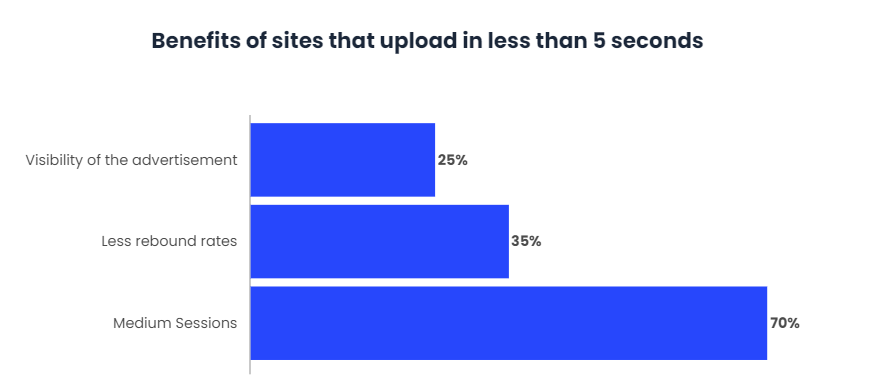
Firstly, due to the technical requirements of the web application itself, the PWA is able to load much faster, even in less optimal network conditions. Since 53% of users will leave a site if the load is excessive (i.e. more than 3 seconds), speed is essential, and any tool that can reduce the amount of delay users experience will help improve conversion measures.
Second, depending on the device, users have the option of downloading these applications to their home page, eliminating the need to visit the app store and navigate outside the website. Depending on the permissions given, PWAs can also send push notifications to people.
PWA Inconveniences
PWA may seem easy to think of, especially considering that they are easy for people to access, as they do not require approval from Apple and Android app stores, and are designed to maximize reliability and ease of use. However, there are also some limitations that must be taken into account.
First, it is much more difficult for iPhone users to save PWAs on their home screens, and Apple’s strict privacy protocols can make it difficult for PWAs that only work on the web to function properly.
Since iPhone users account for 44.6% of all smartphone users in the United States alone, it is important that brands can provide everyone with an experience that fosters brand loyalty, rather than causing people to abandon the process with frustration.
In addition, PWAs consume more energy than native applications because the code is much more complex and devices have more difficulty interpreting it.
PWA vs. native mobile application
Given the existence of some drawbacks that can hinder the adoption of a PWA, it is necessary to rethink the usefulness of native mobile applications. Well designed, a native application can offer a fast, visually appealing experience that takes advantage of all the smartphone’s functions, such as the camera or GPS.
Users can store their personal and payment information in these applications without fear that the application will delete it after a few days, as is possible with PWA, making the shopping experience more efficient.
The latest research also indicates that customers buy back on applications three times more often than on mobile websites, demonstrating that native applications are an effective tool to increase customer loyalty.
Both PWAs and native mobile applications offer significant advantages to businesses, so they should not be limited to one or the other. Each has a specific role to play in advancing the customer trajectory and encouraging customers to remain loyal, and given the struggle faced by many brands, and the need to capitalize on e-commerce, it is best to cover as many bases as possible.
Conclusions
All the concepts around the mobile web tend to come together to offer a better experience to users. Most of the time people spend on their smartphones focuses on native apps. However, the mobile web is also growing, so although PWAs show great advantages, it is difficult to position one option over the other.
For a creator who doesn’t have the technical resources or a budget to hire developers, a PWA can be a good alternative to reach all users. In this sense, the objective is to offer a tool that allows the user’s experience to be as satisfactory as possible at an adequate cost.
By implementing both a PWA application and a native application, companies will be able to develop a comprehensive mobile strategy that takes into account how people use their smartphones and maximizes performance.