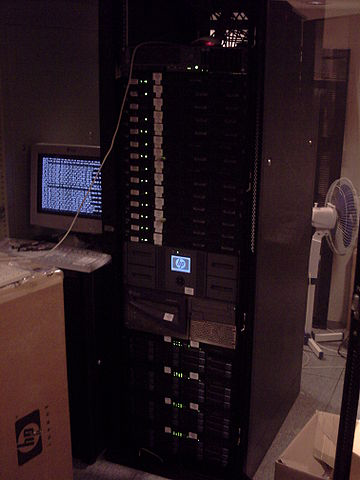
Every January at Davos, there is always a moment when the future suddenly feels less theoretical. This year, that moment came during the conversations around artificial intelligence, computing, and the possibility that the next generation of data centers may not even sit on Earth.
For enterprises investing heavily in AI, this conversation matters more than it may initially seem. The future of AI may not only depend on algorithms or models, but on the physical infrastructure capable of sustaining them at scale.
The Compute Problem
It’s all about computing power. Jensen Huang from NVIDIA spoke very clearly about one reality that many people still underestimate: AI does not run on ideas; it runs on compute.
Training algorithms and large language models already requires tens of thousands of GPUs. One modern AI training cluster can consume as much electricity as a small town. According to some projections, global data center energy demand could double before the end of the decade.
And this creates a much bigger challenge than simply building larger servers. Enterprises are now facing questions around energy consumption, sustainability, infrastructure scalability, cooling systems, and the long-term operational costs of AI at scale.
Now pause for a moment and think about that.
Humanity is building machines that require enormous amounts of power, constant cooling, and uninterrupted connectivity. The physical limits of Earth’s infrastructure start becoming a constraint very quickly.
The Infrastructure Shift
This is where Elon Musk entered the conversation with something that sounded like science fiction only ten years ago: space-based computing infrastructure.
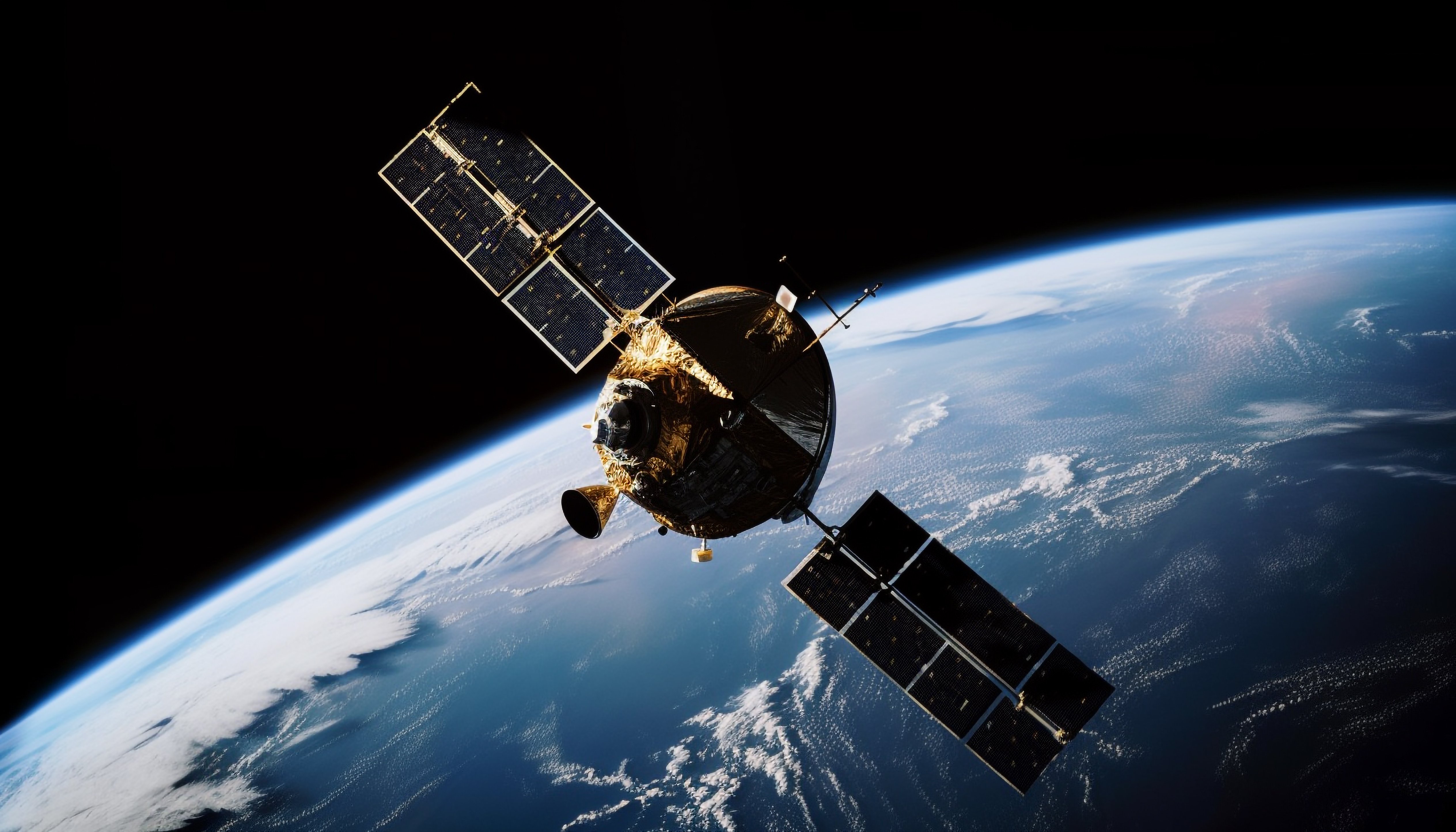
The logic is surprisingly simple. In orbit, there is constant solar energy. Cooling becomes easier in the vacuum of space. Latency could eventually be managed through next-generation satellite networks. And Starlink already operates thousands of satellites, with plans to continue expanding significantly over the coming years.
The idea being discussed among aerospace engineers and infrastructure planners involves launching orbital data centers powered by solar arrays and connected through high-bandwidth satellite networks capable of processing AI workloads above the planet.
It sounds futuristic, yet parts of it are already beginning to take shape. Recent discussions around next-generation satellite systems with extremely high bandwidth capabilities suggest this may represent the early phases of a much larger infrastructure transformation.
So the question slowly shifts from “can this happen?” to “when does this become economically logical?”
That shift matters because, historically, once infrastructure becomes essential enough, humanity reorganizes entire systems around it. Electricity grids, highways, telecommunications networks, and cloud computing all followed similar patterns.
What This Mean for Enterprises
Working with global enterprises on large-scale AI, cloud, and data platforms, we are already seeing this shift begin to take shape. At Softtek, many of today’s conversations are no longer about experimenting with AI, but about how to sustainably power it, operationalize it, govern it, and scale it as critical infrastructure.
Organizations are starting to realize that AI strategy is increasingly tied to infrastructure strategy. The ability to scale AI will depend not only on models and talent, but also on access to compute capacity, energy efficiency, resilient cloud architectures, and long-term operational sustainability.
The deeper insight from Davos was not really about rockets or satellites. It was about scale. Artificial intelligence is becoming infrastructure — just like electricity grids, highways, and fiber networks once did.
And when a technology reaches that level, humanity begins redesigning the physical world around it.
Maybe that redesign does not stop at the edge of the atmosphere.
As AI infrastructure continues evolving, organizations will need to rethink how they design, scale, and sustain their digital ecosystems. Learn about what CIOs are focusing on in 2026 - check out our latest white paper.



 Victor Mastache