This article was originally published in Spanish here.
Artificial intelligence has become a turning point for advertising and marketing. Today, brands can generate hundreds of ad variations in seconds, test multiple creative approaches at once, and optimize campaigns in real time. Never before has the industry had so much technological power at its disposal.
But one thing needs to be clear from the outset: AI is transforming the industry, yes — but it does not replace what makes it meaningful: creativity, authenticity, and purpose. Our fascination with efficiency can easily make us forget what truly matters.
Automating without judgment, over-delegating, or relying blindly on machine-generated content doesn’t just dilute brand identity; it increases legal risk, erodes differentiation, and leads to a marketplace filled with campaigns that are technically correct, yet entirely forgettable. This is not a technological problem. It's a strategic one.
AI has already proven its strengths: speed, hyper-personalization, and the ability to process massive volumes of data in real time. As a result, brands can optimize every stage of the advertising process, from deeper audience insights to more relevant, individualized experiences. Even small businesses can now execute campaigns that once required unthinkable levels of investment. Yet the challenges haven't disappeared. In fact, they have become more visible.
Creativity and ethics—two deeply human dimensions—cannot be automated. Every organization must clearly define its principles, boundaries, and vision before integrating AI models into content generation or predictive targeting. The intensive use of personal data demands transparency, explicit consent, and a level of responsibility no tool can assume on our behalf.
Framing AI as a “loss of creativity” misses the point. We are not becoming less creative; we are becoming more productive.
The real value of AI lies not in thinking for brands, but in freeing them from routine and operational tasks. It gives teams more time to focus on message, emotion, and human connection. That is where competitive advantage lives — in the ability to turn information into meaning.
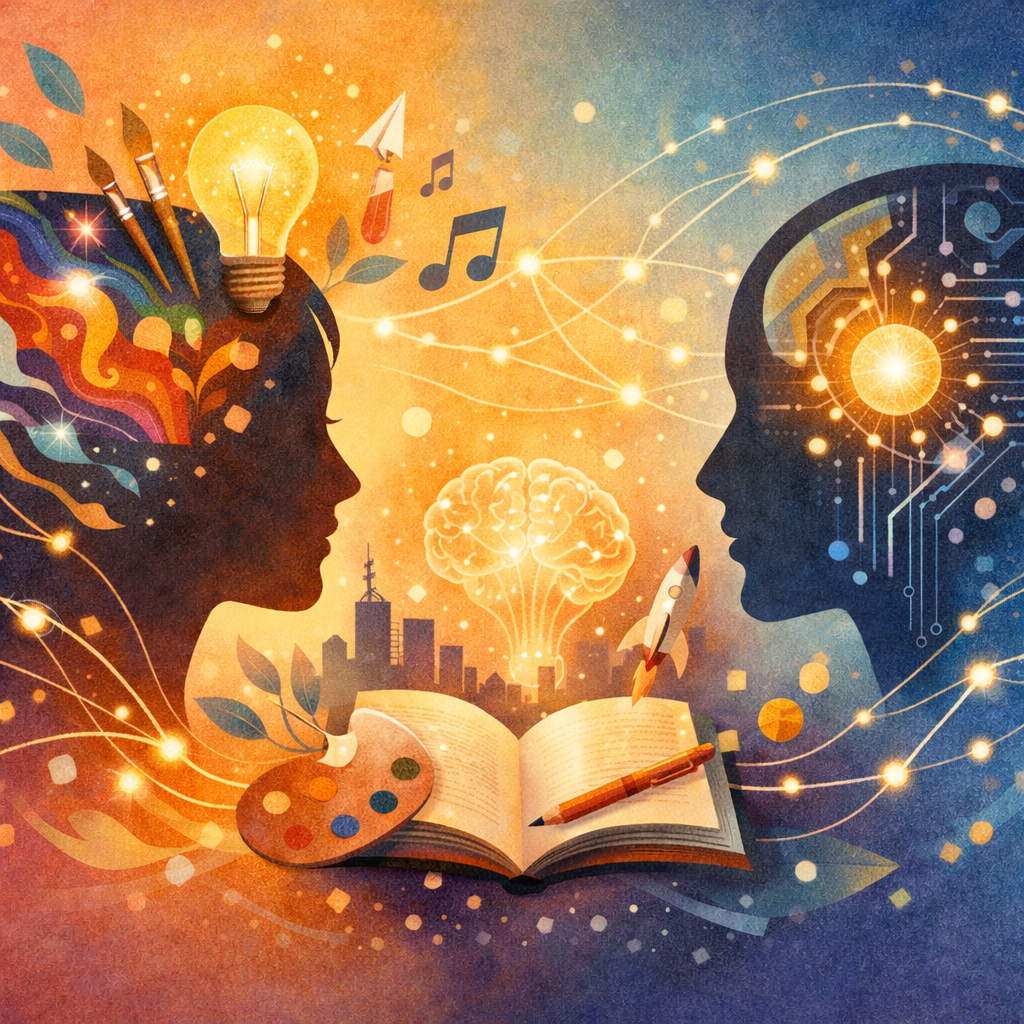
AI works best as a creative sparring partner—it sparks ideas, accelerates execution, and expands what’s possible. But the final decision—what is said and why—remains human.
In the years ahead, video will be everywhere, campaigns are faster and more accessible, and personalization reaches unprecedented levels. Technology will continue to advance. What will not change is the need for authenticity.
Because even in the age of AI, human connection remains the most powerful value a brand can offer. And that value, for now, cannot be automated.
Want to see how this thinking translates into real business outcomes?
Driving Results: How Proximity and GenAI Are Shaping Professional Services Outcomes examines how organizations are combining proximity, AI, and execution discipline to deliver measurable results—not just pilots.



 Alex Camino