
 Softtek


When it comes to digital transformation, it’s tempting for most companies to look at the digital part, platforms and processes, rather than the transformation part.
The idea of being able to buy the right software and increase productivity instantly is appealing. However, digital transformation is about changing the way teams work together, not just the technology they’re using to do that job.
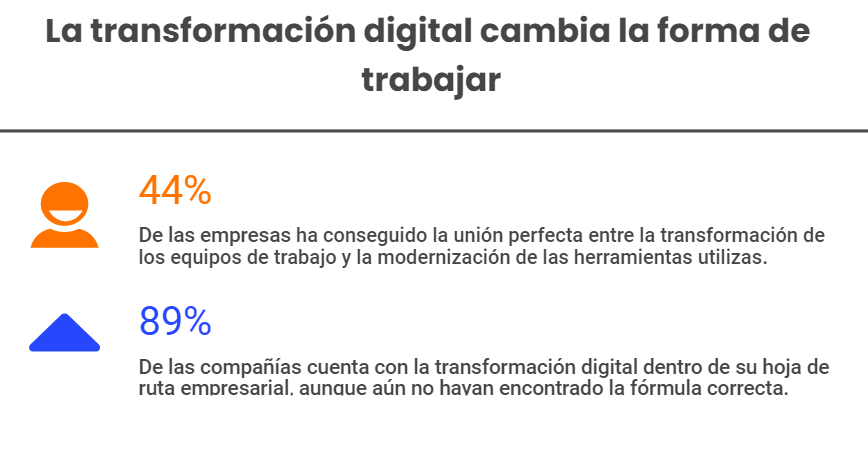
According to the latest research only 44% companies have achieved the perfect union between the transformation of the work teams and the modernization of the tools you use. However, a high percentage of organizations (89%) have digital transformation within their business roadmap, even if they haven’t yet found the right formula.
Similarities in a successful digital transformation
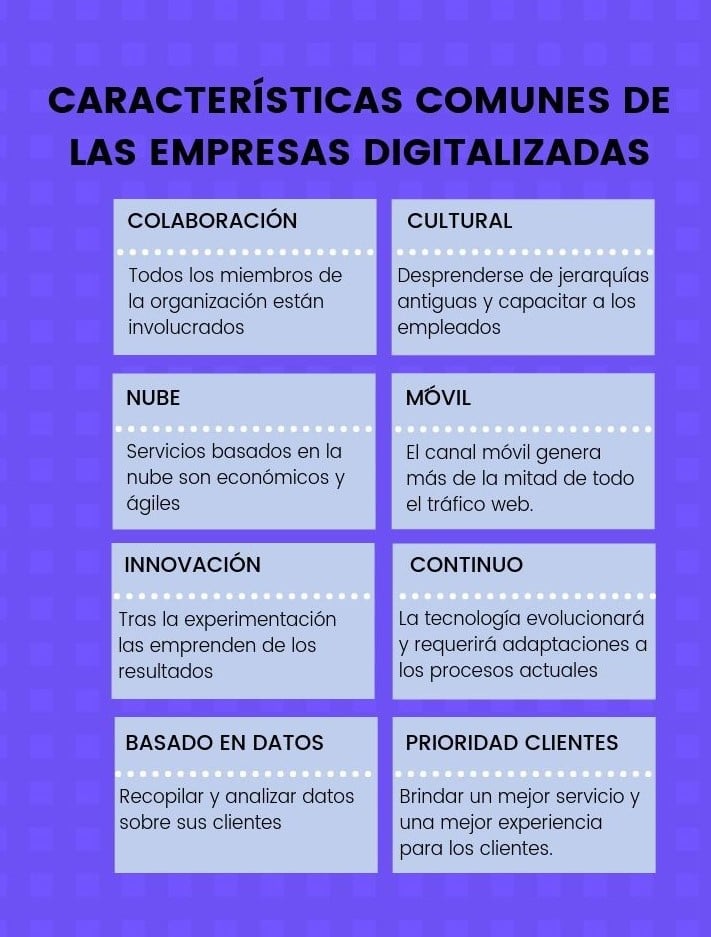
While digital transformation is different in every company, digital companies share some key features. Digital transformation does not change the core values of the business. On the other hand, if it is to develop a culture of connected work and to acquire the tools that will support the strategic objectives.
For example, The New York Times uses audience engagement data to generate internal alerts, allowing employees to know when a story is performing well and deserves a push notification.
Alerts do not fully automate the process; generate important information that allows staff to communicate with each other about sharing the story with readers. Technology-enabled collaboration, not just data, is key to improving your processes and results.
Positive arguments
With the challenge of improving business processes through the development of new capabilities and business directions, The C-Suite must make difficult decisions for the company’s long-term strategy.
- Committed Employees:
Uncommitted employees cost the U.S. economy up to $605 billion each year. Digital companies that empower employees through transparency, learning opportunities, and open communication, while providing them with the data they need to perform their tasks, can better track and improve your performance.
- Greater benefits:
Companies can increase their revenue by 23% as a result by adopting digital strategies such as using Big Data to make smart decisions and empower employees in emerging technologies.
For example, AT&T has accelerated its revenue time by 32% through professional development initiatives that increase the digital skills of its employees.
- Increased resilience:
New technologies will continue to shake up customer expectations and processes. A digital enterprise builds resilience by replacing rigid structures and inflexible processes with a culture and infrastructure in the workplace that can respond and adapt to new demands.
- Avoid the skills trap:
Many companies assume that their current success (and the methods that enable it) will continue indefinitely. However, you will have to change over time, and wait until you have to mean you will make decisions for short-term survival rather than long-term growth.
Does change affect all companies equally?
As mentioned above, more settled businesses may tend to impose rigid and formal hierarchies, where the C-Suite imposes its opinions, which contribute to less collaboration and slower change. However, the challenges and opportunities of digital change are not determined only by the size and structure of the company.
Only 38% of the established companies have digital strategies, compared to 55% of the new companies. Therefore, digital transformation in companies may need to focus on breaking silos, improving communication and increasing transparency.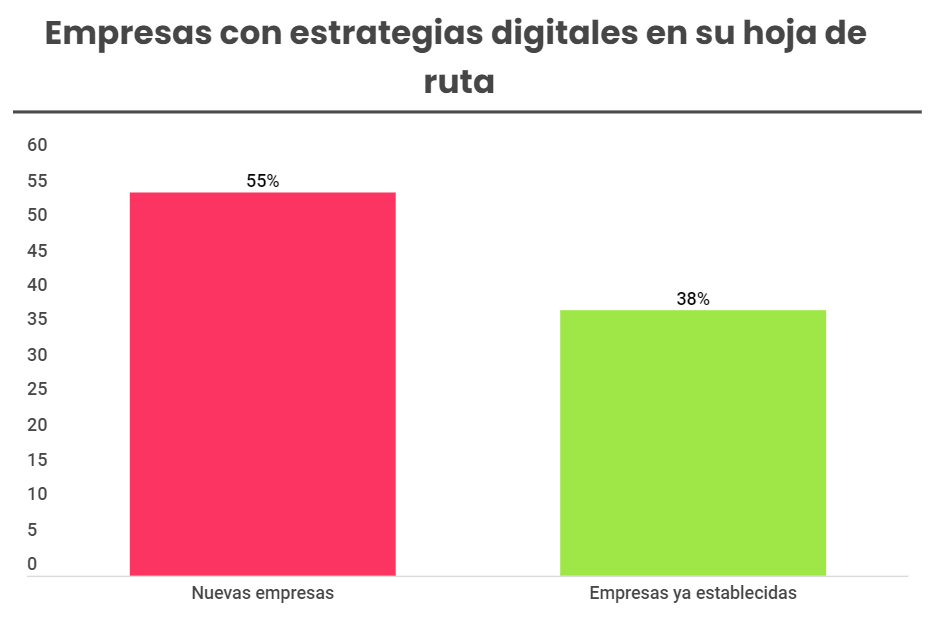
However, larger companies with a very defined hierarchy also have their benefits, a larger size (and a budget) means they can devote more resources to business improvement.
For example, when la-Z-Boy redesigned its headquarters, it took the opportunity to identify solutions to the company’s challenges. According to company president Kurt Darrow.
“We engaged all of our employees to think about what would happen in this new building and how we could increase communication across the organization, provide more flexible forms of work, and develop more engaged and empowered employees”
Smaller companies often have leaner structures and smoother equipment, which can help with collaboration and transparency. But they also have smaller operating budgets, which means they should focus their efforts on a single specific goal that supports the overall business strategy, such as improving the customer experience or reducing operating costs to through cloud services.
Bring Your Own App
Despite some notable success stories, to be a truly digital organization, transformation initiatives should not come from top to bottom.
Changes in customer expectations and how the business responds to them will affect employee workloads and processes, meaning they must be well positioned to identify risks, suggest solutions, and lead Experiments.
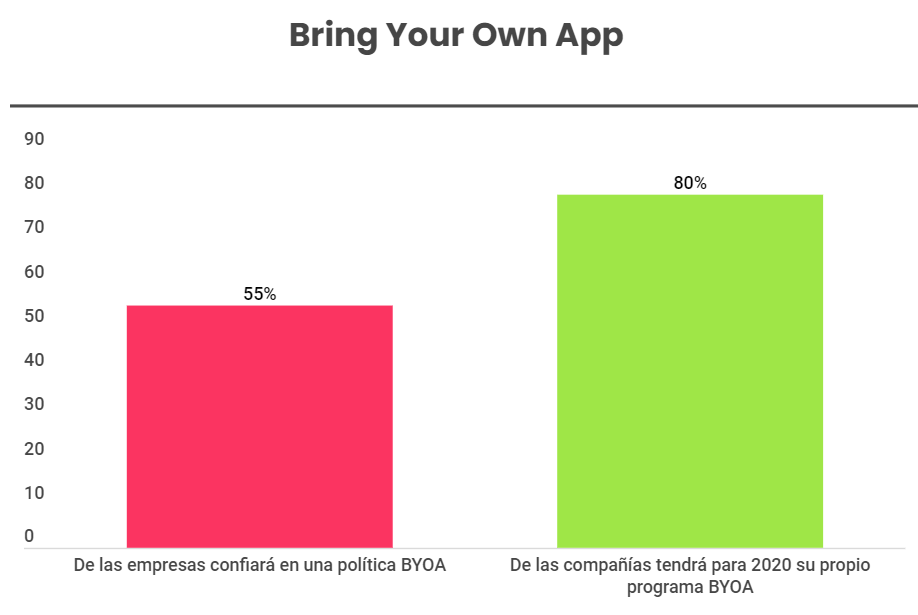
The Bring Your Own App (BYOA) trend shows that employees are often a source of new ideas and tools that can ultimately benefit the entire business. According to the latest studies, 90% of the employees needed to improve their skills annually, and only the 34 feel that their organizations support their development.
But herein lies the challenge. How do you strike the right balance between empowerment and job compliance by workers? A notable example recently stood out, when an Asian-based organization discovered that many of its employees were using WeChat for both personal and commercial use.
If the company recorded all conversations, it would have a negative impact on how workers perceive the company with the consequent risk of them switching to competition.
Conclusions
Simply having the right digital leaders is not the most important indicator of digital maturity. More than 50% of the companies with a wide degree of digital maturation say they need better prepared leaders.
Regardless of the size or scale of the business, a digital transformation can face discomfort and uncertainty. Therefore, leaders should prepare for these challenges before they begin to implement them.
- Provide a realistic vision: Strengthening the mission and giving meaning can help employees stay motivated.
- Creating a culture of learning—encouraging people within the organization to learn and grow—will help them support transformation and increase their engagement.
- Listening: Communication is key, so it is important to give voice to the ideas of both workers and customers.
- Paused Tour: Proceeding cautiously will help identify whether a process that is supposed to help employees is making their job more difficult or if a strategy that seemed promising is failing to deliver results.
There are no shortcuts in digital transformation, however, a good strategy will make the organization more efficient, effective and resilient. And while it may seem like a race between competitors, the fact is that there is no finish line.
The needs of customers and the way they are met will change. The mission is to develop the company’s ability to adapt and respond to a digital ecosystem that will continue to transform.